


Senior Resident Dr Wesley Loo reflects on what it means to grow as a doctor in a rapidly evolving healthcare landscape — one shaped by research, innovation, education and leadership. In his final year of Respiratory Medicine training, he balances clinical work with mentoring, process improvement and personal growth. Outside the hospital, he finds space to reset through running and following football.
As I reflect on my Residency journey, I am struck by how much the practice of medicine has changed in a short time. With the advent of AI and new technologies, the half-life of medical knowledge has shortened significantly. This has reshaped my understanding of what a “good doctor” looks like today.

Why Medicine: “Medicine is both an art and science, and
we get to do meaningful work daily with a real impact on people’s lives.”
A strong foundation of clinical knowledge remains as important as ever. But being a good doctor now also means keeping up with the latest research in one’s specialty and knowing when guidelines and evidence apply to the patient in front of you, and when they do not. At the same time, we must learn to use new technologies to their full potential, harnessing clinical benefits for patients while remaining mindful of the risks that come with them.
What I enjoy most about Respiratory Medicine is the breadth it demands. It requires a wide range of knowledge and skills, from procedural work to daily integration of clinical, radiological, histopathological and physiological information. The ability to care for patients across different levels of acuity and settings; outpatient clinics, inpatient wards and the ICU, keeps the mind constantly stimulated and engaged.
My understanding of leadership has also evolved through Residency. I used to think leadership was innate and about big moments. Over time, I have come to see it as having the heart to care for those you lead, guided by communication and advocacy. As Chief Resident, I worked on improving a workflow that had long added unnecessary administrative burden to fellow Senior Residents. By understanding the process, engaging stakeholders and harnessing technology, we were able to streamline it and frame the change as a quality improvement initiative. That experience showed me that it is possible to be a positive enabler of change, guided by the needs of the people you serve.
Education has been a defining part of my journey. The strong culture of education at SingHealth was what inspired me to train here. A mentor once shared that all he expected in return for his mentorship was for me to pay it forward, a message that has stayed with me. Through structured educator development frameworks and mentoring opportunities, I began to understand that being an educator is more than teaching content. Some of the most meaningful moments come when those you mentor become better versions of themselves.

Bringing research, judgement and care together in practice.
Research, while daunting at first, has also become essential to how I view medicine. Research allows us to answer clinical questions we do not yet have answers to and serves as a multiplier of knowledge that leads to better patient care. Taking small first steps, through simple projects and teamwork, builds a foundation for deeper inquiry.
Amidst all these advances, the human side of medicine remains central. We are more than our professional identities. It is our humanity that keeps us grounded, compassionate and irreplaceable by technology.
Residency excellence, to me, lies in growing across research, innovation, education and leadership — while keeping patients, and humanity, firmly at the centre.

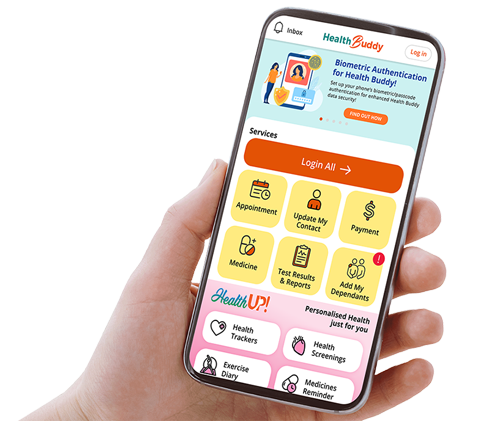
Stay Healthy The Easy Way

Get trusted health advice, offers and more.
Stay Ahead in Healthcare Industry

Subscribe to our exclusive updates for healthcare professionals.












Stay Healthy With
 HealthXchange
 Health Videos
Follow Academy


